
Fighting Mass Surveillance in Colorado
Eyes Off Colorado is a nonpartisan project pushing for clear limits on how police collect, keep, and share license plate reader data.
What's happening where you live?
Every city, town, and county in Colorado has a page with its camera map, the officials who vote on surveillance contracts, and how to request public records.
Recently updated
Issues with ALPRs
License plate readers used to check for stolen cars. Now they keep a searchable record of where everyone drives. Here’s what changed.
No state laws
Rules and policies around ALPR security and usage are rarely enforced by policy. Instead, cities blindly trust company promises.
What Colorado law says →Powerful new capabilities
Today's cameras log your car's make, color, and bumper stickers. AI tools let officers search by description, find cars that travel together, and flag routes the software thinks look suspicious.
What the software can do →Irresponsible data access
Many departments freely share images of your vehicle with a huge network of other departments. In some cases, other departments have searched it for immigration enforcement, and some share with hundreds of out-of-state departments.
Who can search your data →Sneaky legal practices
Flock contracts with Colorado municipalities have changed frequently and ownership over "data" is not what it appears to be.
Read the fine print →
Get Involved
Coloradans across the state can help keep ALPR technology within constitutional limits.
Speak at your city council.
Public comment is the most direct way to shape how your city buys, uses, and shares surveillance data.
🎤 Learn How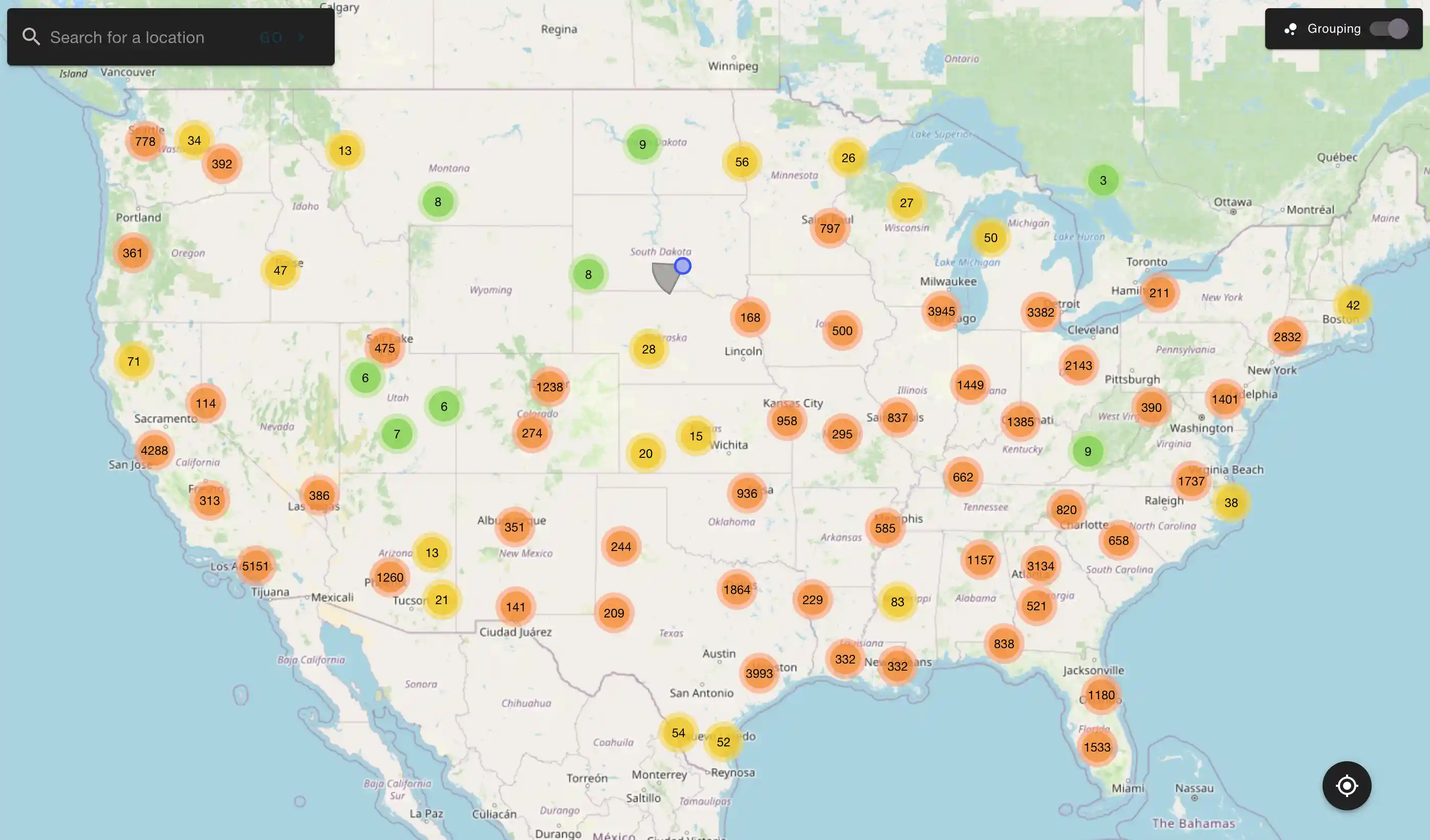

Volunteer to help
We need help keeping data accurate and also are looking for writers to help make informational content.
Volunteer →Frequently Asked Questions
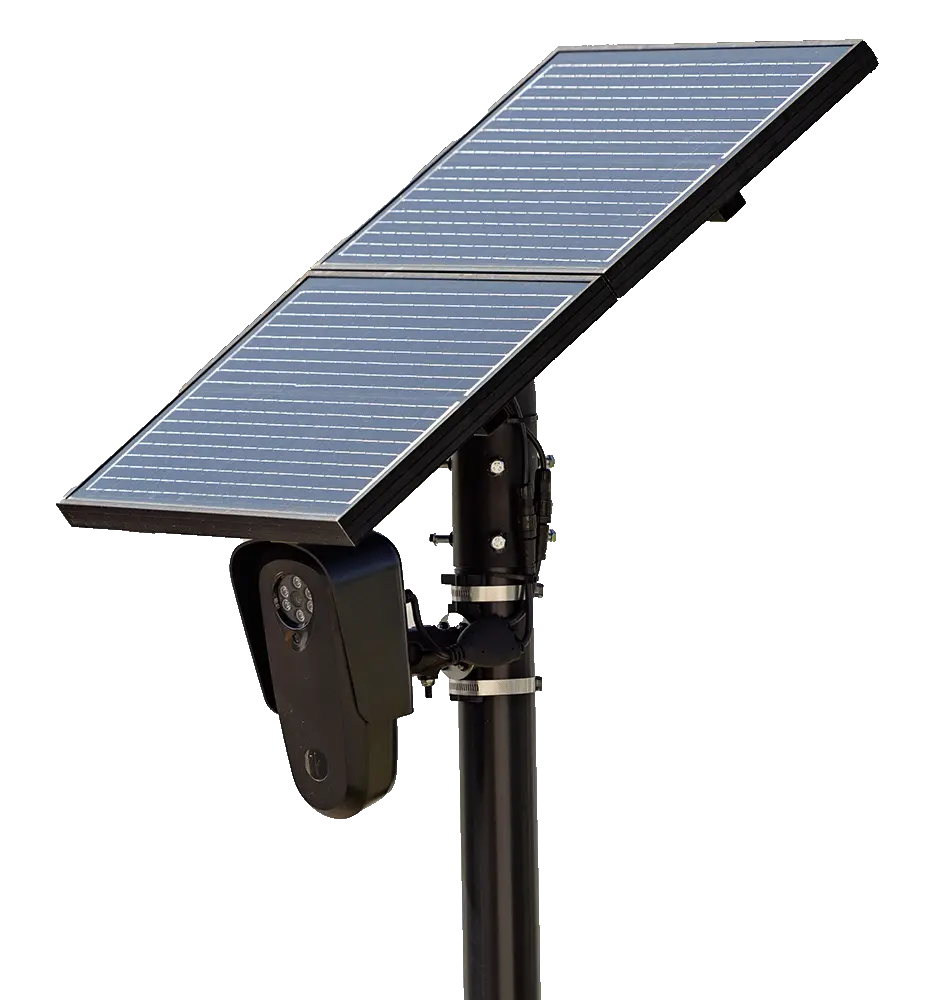
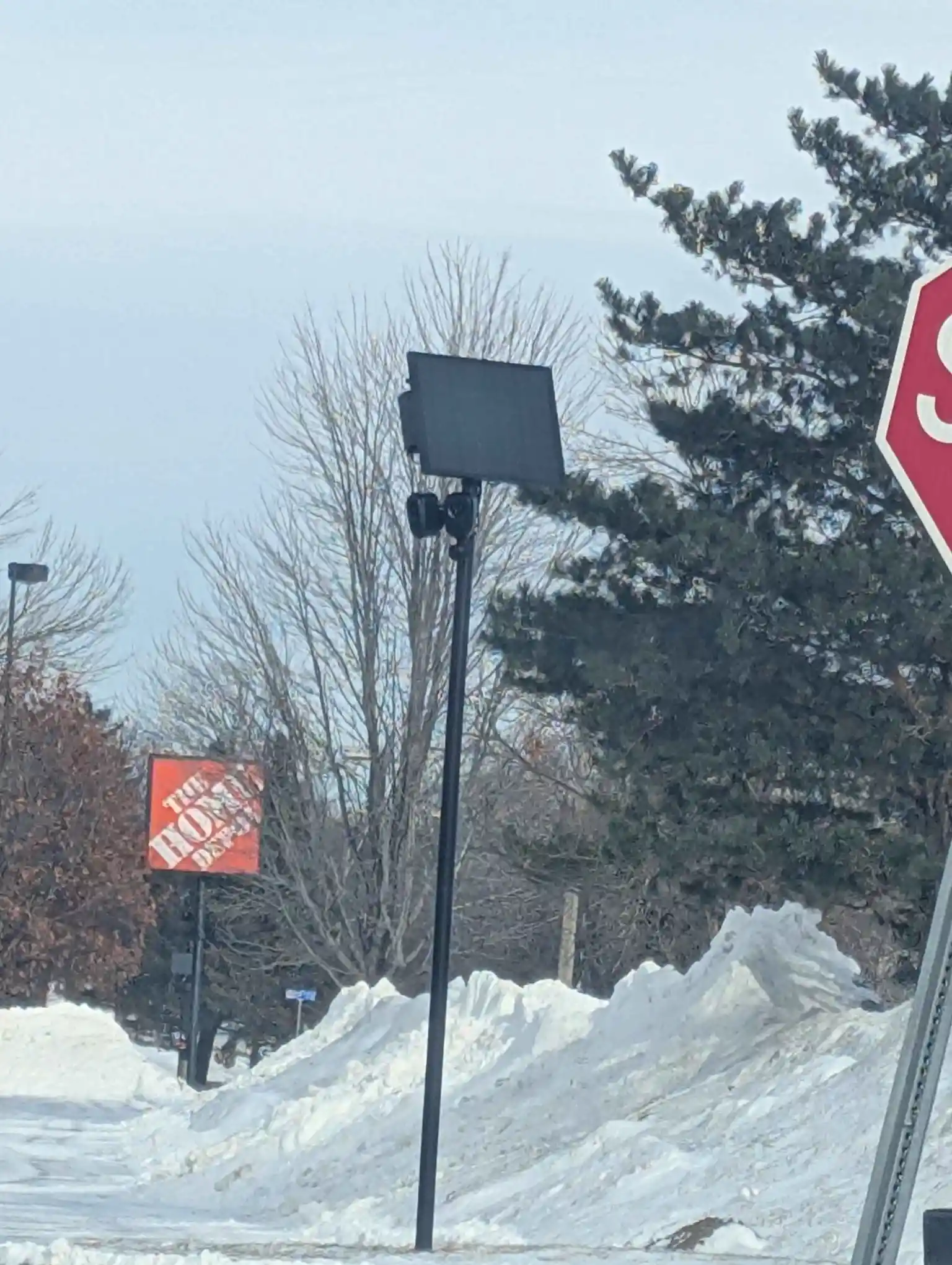
Most Flock cameras are small gray or black boxes on thin poles, often with a solar panel on top. You'll see them at intersections, neighborhood entrances, and parking lot exits. EFF's interactive scene and DeFlock's identification guide have photos to help you spot them.
Sources
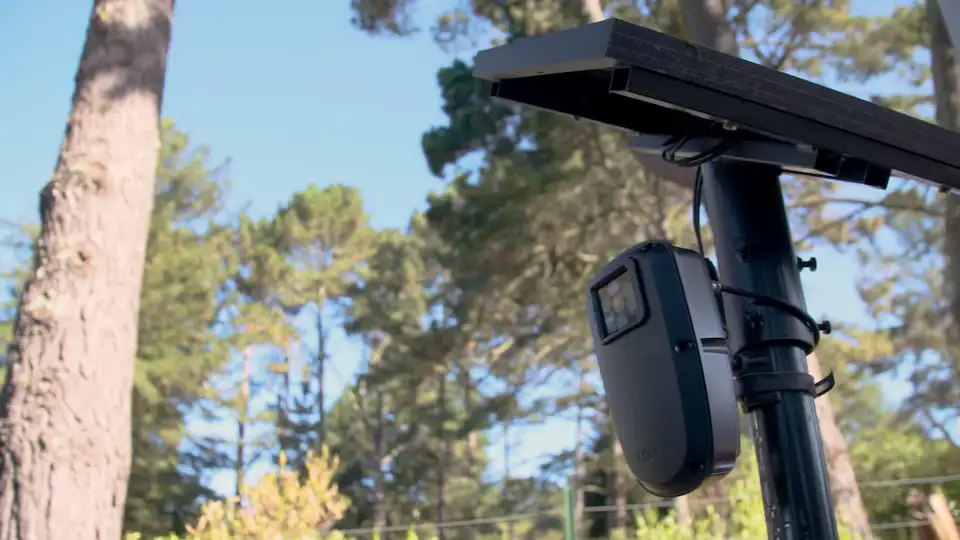
Older plate readers only checked for stolen cars. Newer networked systems track every car they see, share that data with hundreds of agencies, and allow searches by vehicle description. That's what we object to, whatever the vendor. Axon, Motorola, and others sell the same kind of system, so the questions about oversight, sharing, and retention don't change.
Sources
There's no official count. Volunteers have mapped 2,659 plate readers across Colorado on OpenStreetMap (August 2026), and the Colorado Sun counted 42 police departments with Flock contracts in April 2026. Nationally, Flock says it has more than 120,000 cameras in 49 states.
Sources
- Are You Flocked, Colorado (community records project), database updated 2026-08-07
- The Colorado Sun, As AI license plate readers spread across Colorado, grassroots movements push back (nonprofit), 2026-04-27
- Overpass Turbo, for querying OpenStreetMap yourself (query: surveillance:type=ALPR within Colorado)
- CNN, 2026-07-26 (mainstream)
- Reason, 2026-08-13 (libertarian)
No Colorado law mentions license plate readers by name. A few general laws apply: your plate counts as personal information, agencies and their vendors can't share it for federal immigration enforcement, and government surveillance records must be destroyed after three years. Everything else, including retention, sharing, and oversight, is up to your city's contract and council.
So far, only car theft. A 2026 study of 216 agencies found car thefts fell 11% after cameras went in, with no change in other property crime. We haven't found a study showing less violent crime, and no Colorado city has published an analysis of its own program.
Sources
- Mourtgos and Adams, Automated license plate readers, vehicle theft, and clearance (CrimRxiv working paper, not peer-reviewed), 2026-08-16
- NIJ CrimeSolutions, License plate recognition technology as a crime deterrent (U.S. Department of Justice)
- Lum, Hibdon, Cave, Koper, and Merola, Journal of Experimental Criminology (peer-reviewed), 2011
- National Policing Institute, A multi-site evaluation of automated license plate readers (police research organization)
More often than the marketing suggests. An audit of the LAPD found 161 alerts in two months for cars that were no longer stolen, against 337 real recoveries, and officers used high-risk stop tactics in 46 of the 68 stops it reviewed. In Roseville, California, the software misread the plate in 71% of 1,427 alerts, though Flock blamed that city's camera setup. Flock's own figure is fewer than 9 human-reported errors per million alerts.
Sources
- LAPD Office of the Inspector General, review of the department's ALPR system, BPC #26-184 (government watchdog, primary), 2026-07-10
- Business Insider, Flock camera misread license plates in Roseville (mainstream), 2026-07-31
- Reason, She spent 7 months in legal hell after cops used Flock surveillance to identify the wrong car (libertarian), 2026-08-13
- Flock Safety, Flock updates privacy, accountability, security, and transparency safeguards (vendor), 2026-08-13